
— To experience responsibility and risk outdoors, is to feel the enormous riches of life
The Great Outdoors
Wilderness Therapeutic Programmes and Adventurous Expeditions
We are a community interest company based in Colchester, in the beautiful coastal county of Essex in the South East of England. Our work provides young people with wilderness therapeutic programmes and adventurous Duke of Edinburgh’s Award expeditions that have a strong personal development aim at their core.
The adventure in your life will be found in responsibility. Meaning is derived in difficulty, risk and responsibility. Not in hedonist self-gratification. Jordan Peterson, Psychologist and Author
the growing crisis among young people that must be addressed
Wilderness therapy and adventure learning involves
experiential and interpersonal problem‐solving which is absent in the lives of many youth‐at‐risk.
%
Anxiety and depression in UK 16-24yr olds (2017-18)*
Around half of young people living in the UK will have experienced at least one traumatic event or adverse childhood experience**
Experience of childhood trauma doubles a young person’s risk of experiencing mental health problems***
— The Challenge
Challenge & opportunity
There is a beautiful challenge and opportunity presented to us in society, in our communities and with the young people we work with.
We can not remove adverse childhood experiences or mental health struggles. What we can do is focus on improving the outcomes of young people in our communities. Young people who are our children, who are the future of our communities. The opportunity is huge. We have access to natural environments which foster a huge sense of wellbeing. And we purposely engage young people with hands-on purposeful tasks which strongly invoke in them, a sense of purpose, achievement and responsibility.
Our projects shape and have a profoundly positive impact on the development of a young person.
Our work focuses on adventure learning, intense outdoor experiential and interpersonal problem‐solving. All are proven to improve outcomes for young people. Their self esteem grows and the likeliness of anti-social behaviour, violence and offending behaviours reduces.
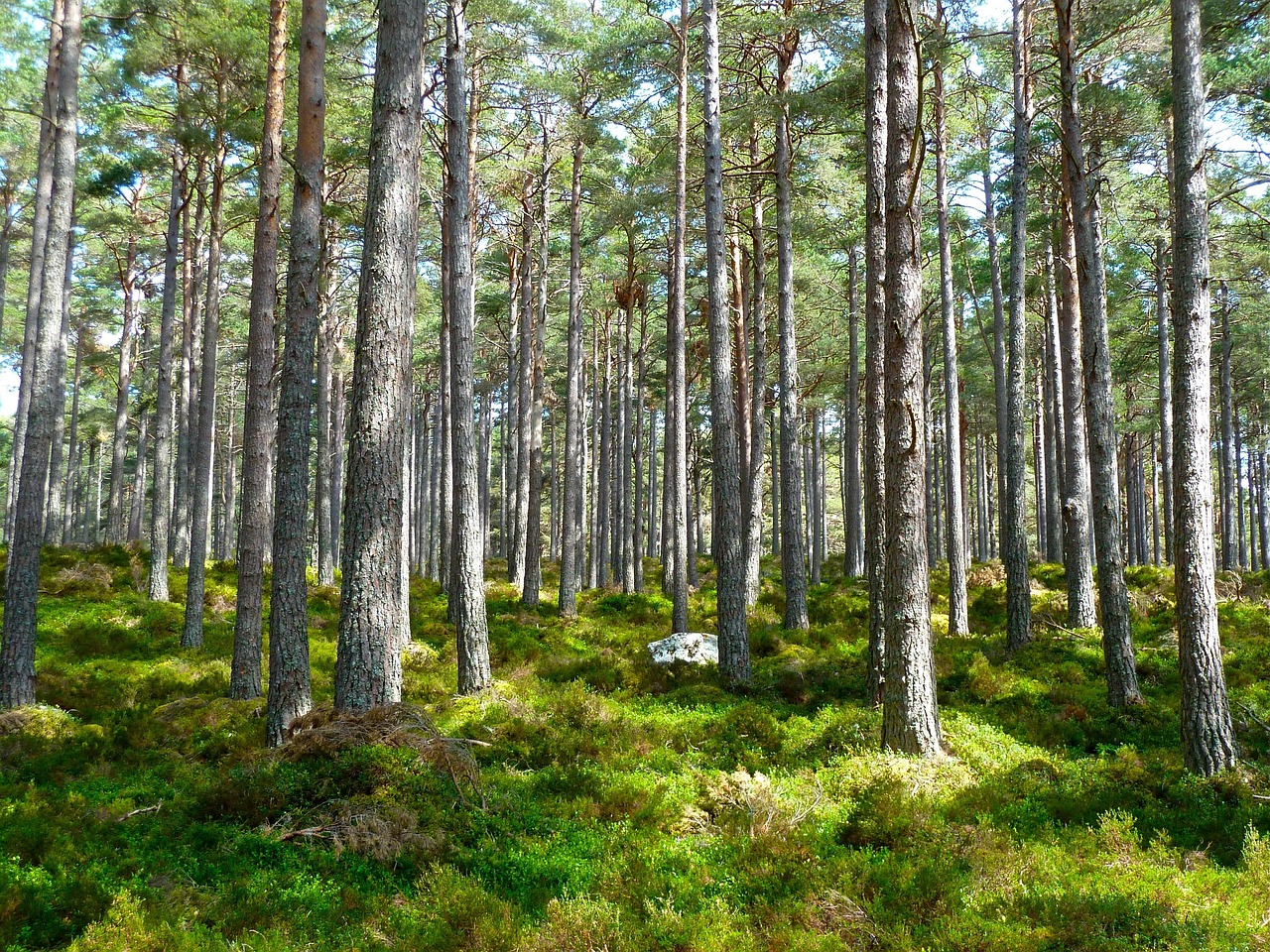
The higher quality of our relationship with nature, the greater benefit to our wellbeing.
What is Wilderness Therapy and Adventure learning?
Wilderness therapy is rooted in hands‐on learning and draws from experiential education, that is ‘learning by doing’ along with reflection (Gass, 1993). Experiential education purposefully engages with learners in direct experience and focused reflection to increase knowledge, develop skills, clarify values, and develop people’s capacity to contribute to their communities.
Adolescents with behavioural challenges who are at risk of anti‐social and offending behaviour have difficulty in adapting to social norms. Wilderness therapy and adventure learning may address these issues in various ways: the learning and self‐worth from the challenge element, developing pro‐social attitudes from activities requiring teamwork, and the therapeutic effects of creating safe spaces and being exposed to nature.
Studies state that outdoor and experiential education, wilderness therapy programs and challenge activities increase participants’ self‐esteem (Bowen & Neill, 2013; Wilson & Lipsey, 2000), and the belief that they have control over events that affect them (Hans, 2000; Wilson & Lipsey, 2000).
The Why
The optimal mode of being for a young person allows them to explore in ways which could be potentially destructive. ‘Could’ being the operative word. Young people need to experiment with exploration and risk taking, it is fundamental to their brain development. There is no better place for this to occur than the outdoor environment.
A surprising or unexpected reward causes an extra dopamine release. So every time we do something with an uncertain outcome—taking a “risk”—increased dopamine is released while we are determining what happens. This release alerts other parts of the brain that the activity or situation is new and deserves attention. This is a kind of amplified learning that’s actively shaping the connections between neural systems in our brains. UCLA, Centre for the developing adolescent.
Why do we believe in it?
Wilderness therapeutic programmes and expeditions in their very nature confront the young person with challenge and adversity. It is not sitting in a warm room looking at a screen. It is the opposite of this. It requires of them, draws them out of themselves, it demands their presence and their engagement.
The cohesion of the group is believed to be reinforced by the challenging nature of the activity (Glass & Benshoff, 2002). Being placed in an unfamiliar environment, combined with the challenge
element, helps to break down individual barriers, with a focus on cooperation rather than
competition, and so fosters opportunities for participants to develop group cohesiveness and pro‐
social behaviour.
The use of natural cause and effect and action and consequence is explicit in nature and on expeditions and plays out in real time. No firewood, no lunch. The environment they’re in and the team around them hold them accountable to themselves, rather than it being enforced top-down from the group leader.
Young people learn bushcraft and expedition skills at different stages according to their natural learning style, and so peer to peer teaching and mentoring is naturally activated and encouraged. Learning through doing and learning through teaching others, cements their knowledge and the confidence. Furthermore, the group develop a culture and a rhythm between themselves as they develop roles within the group and lean on each other’s strengths, and support each others weaknesses.
Expeditions and wilderness living provides young people with a great deal of physical exercise – journeying, moving tree trunks for the fire circle, collecting firewood, sawing wood, lifting, carrying, cooking and sleeping outside.
Wilderness therapeutic programmes and expeditions include, by there very nature, reflection time as there is physical space to breathe natural air, to not be confided by four walls, ceiling and a door. And it is not a conveyor belt of stimulation.
There is a huge emphasis on self care and personal responsibility; skill mastery, particularly primitive skills such as the making of fire and map reading, and the importance of nutritious healthy food that fuels their bodies in the right way.
And the therapeutic relationship between the young people and the leaders is implicit- one of mutual care, honesty and accountability.


It’s our responsibility
Contact the great outdoors
rachel@thegreatoutdoors.org
07917766175